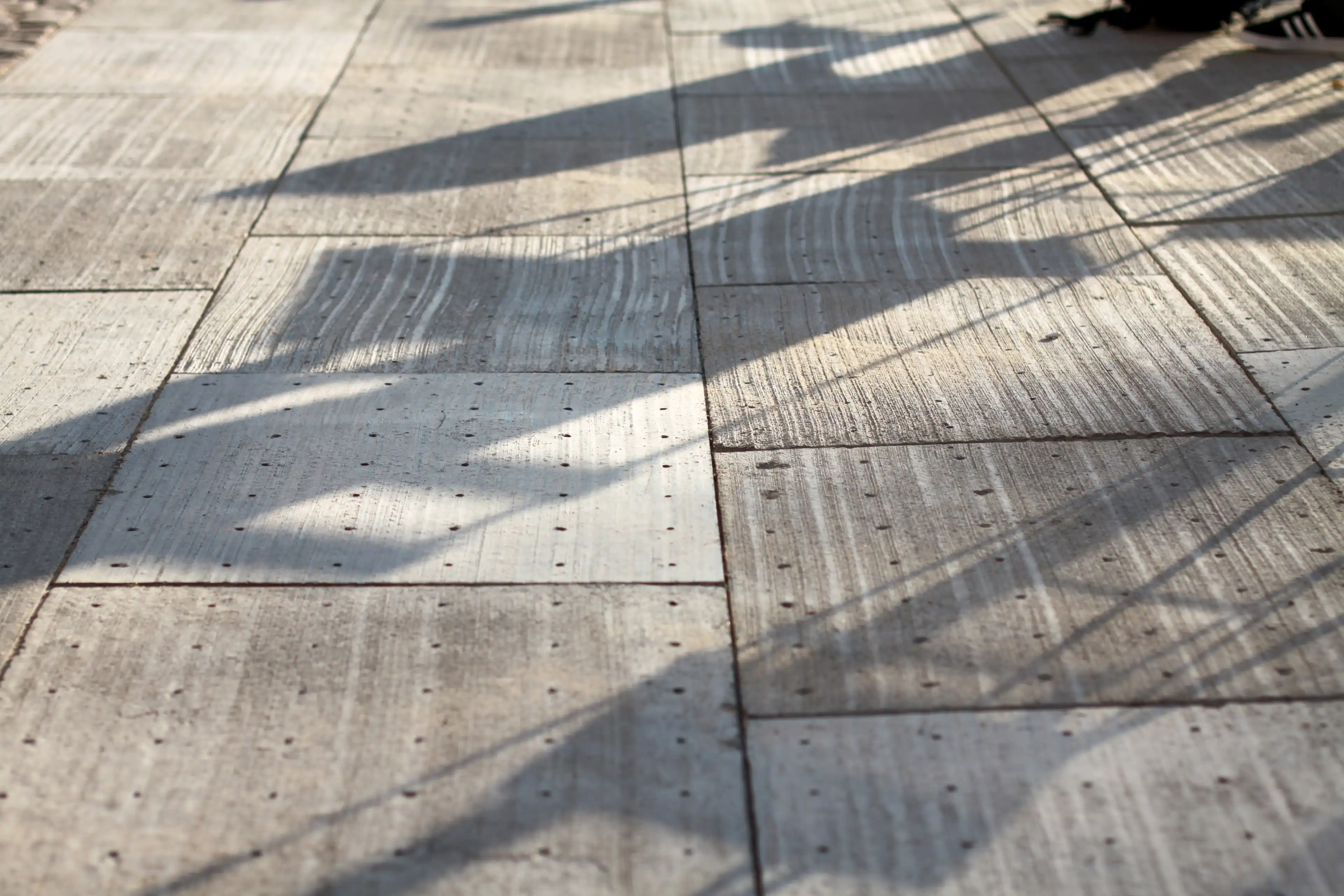
Modern cities are composed of highly optimised systems designed to perform individual tasks. Roads move traffic. Sewers remove water. Sidewalks move pedestrians. Each may appear efficient in isolation, but together they occupy enormous amounts of space and resources.
The Climate Tile grew from strategies developed in the Copenhagen Climate District, where overlapping urban systems were analysed as a whole. The work revealed considerable latent capacity. Functions that had been separated through decades of optimisation could instead be combined.
An urban surface could still perform its primary function, while simultaneously managing rainwater, irrigating vegetation, supporting urban nature and creating better public space.
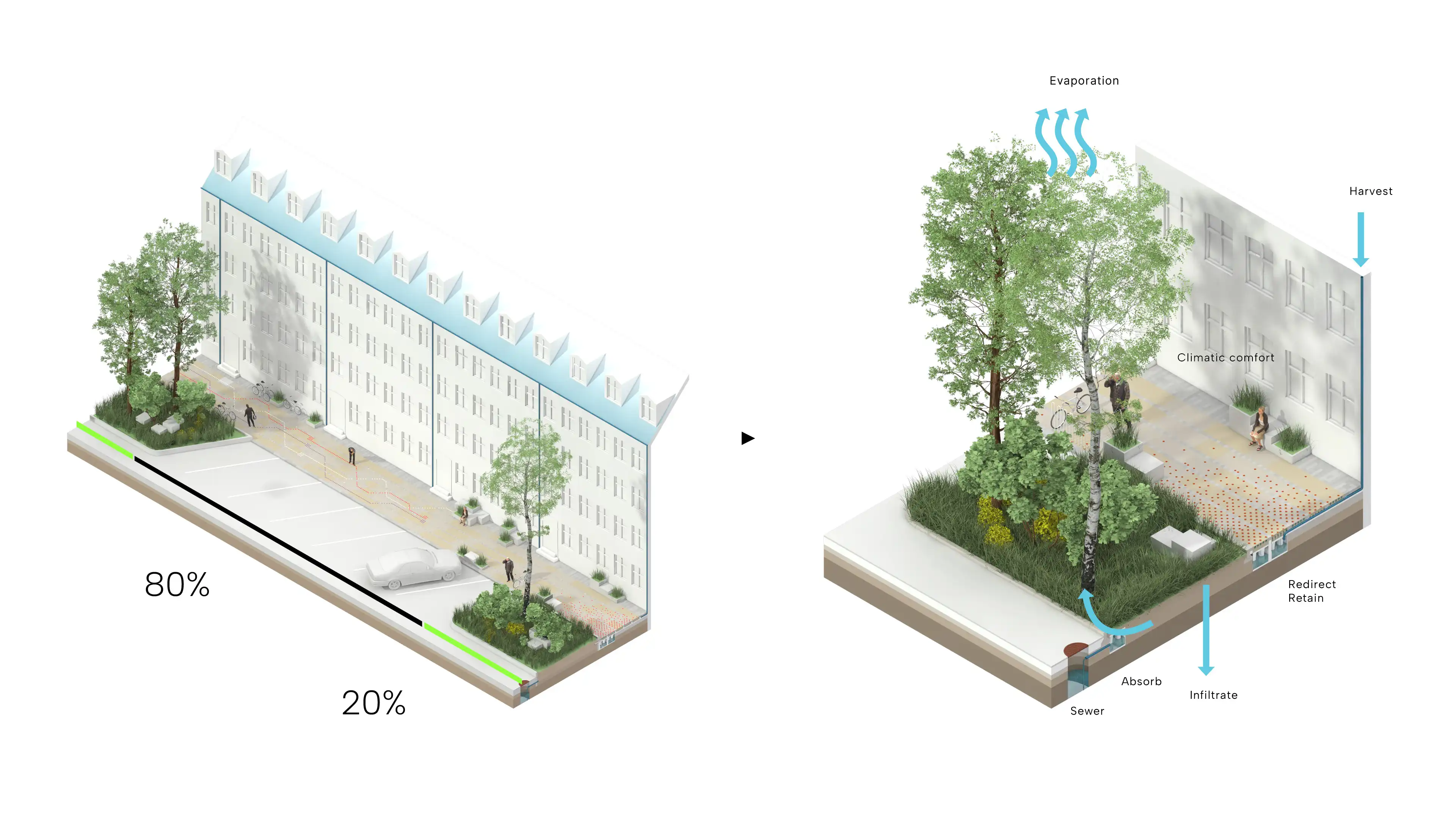
Instead of sending rain directly underground and out of the city, the Climate Tile captures water from roofs and urban surfaces and makes it locally available.
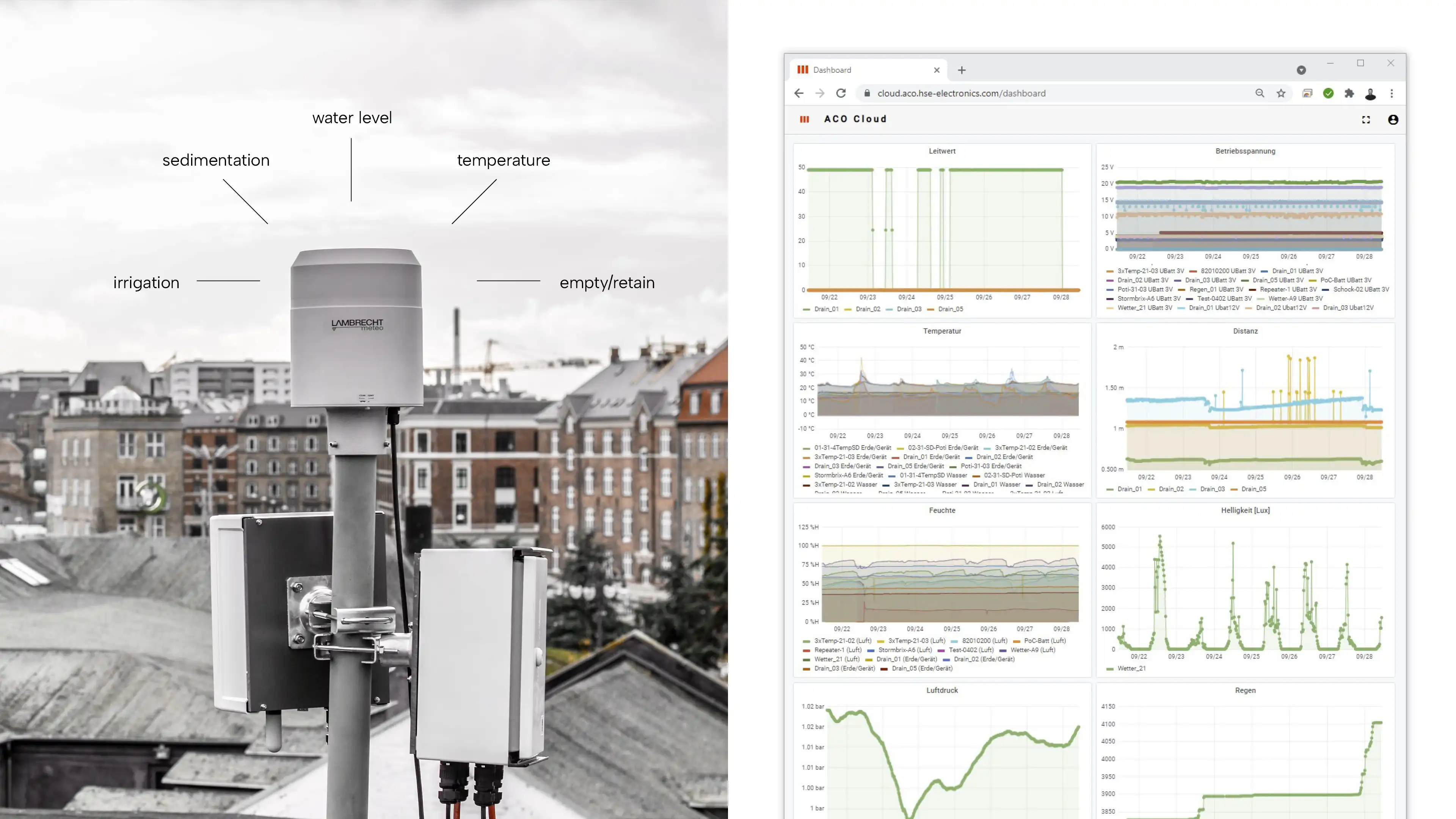
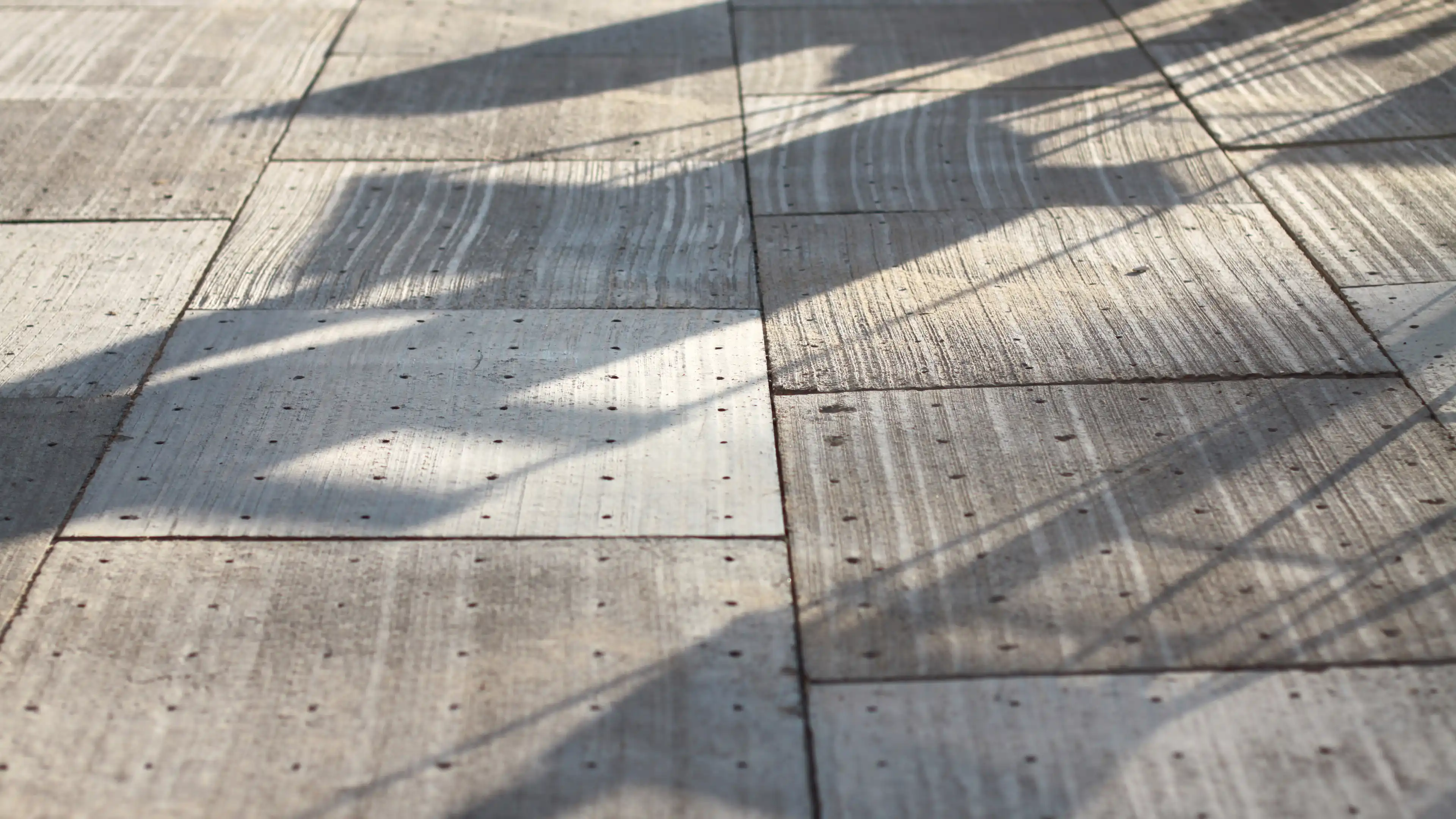
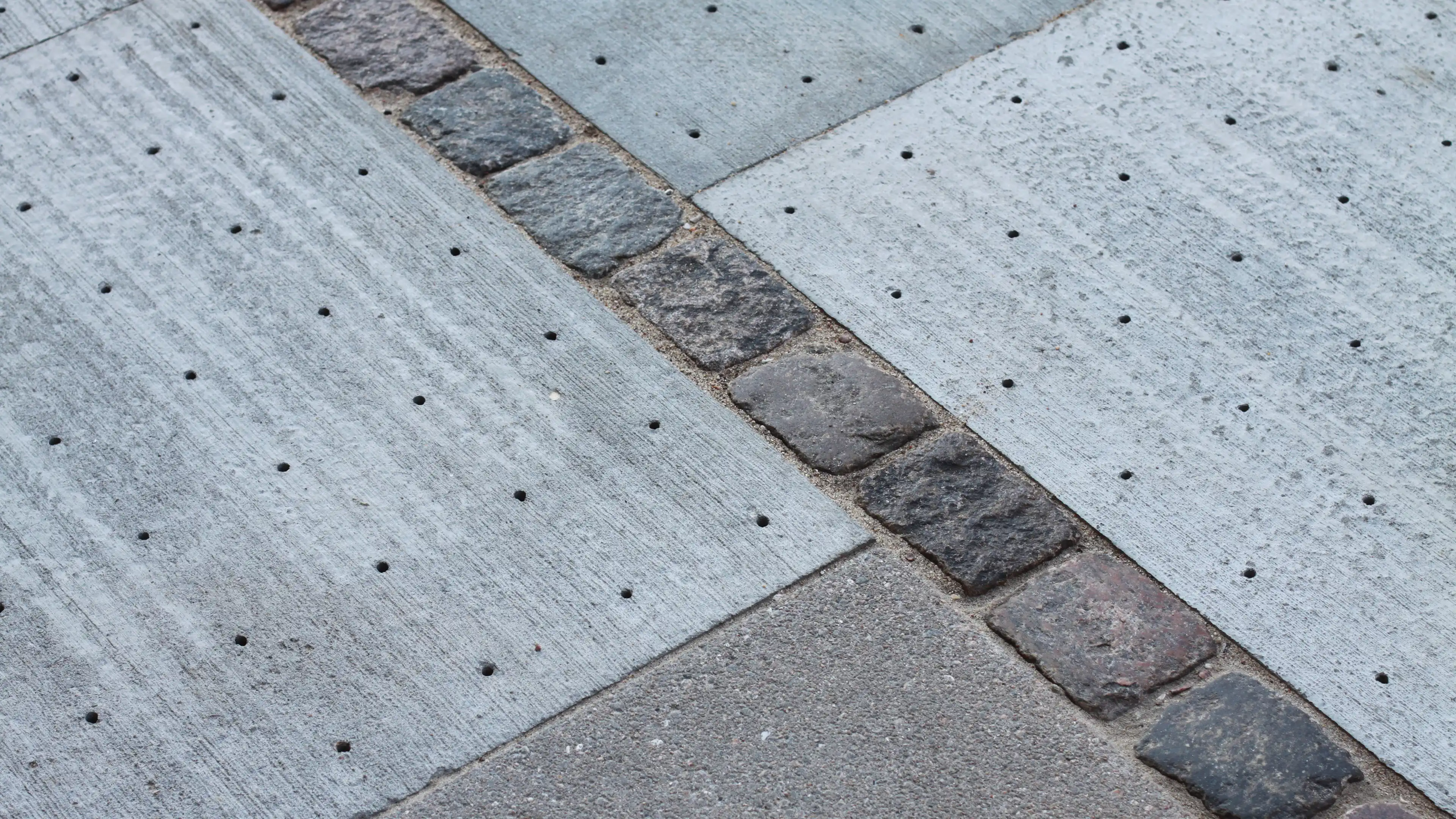
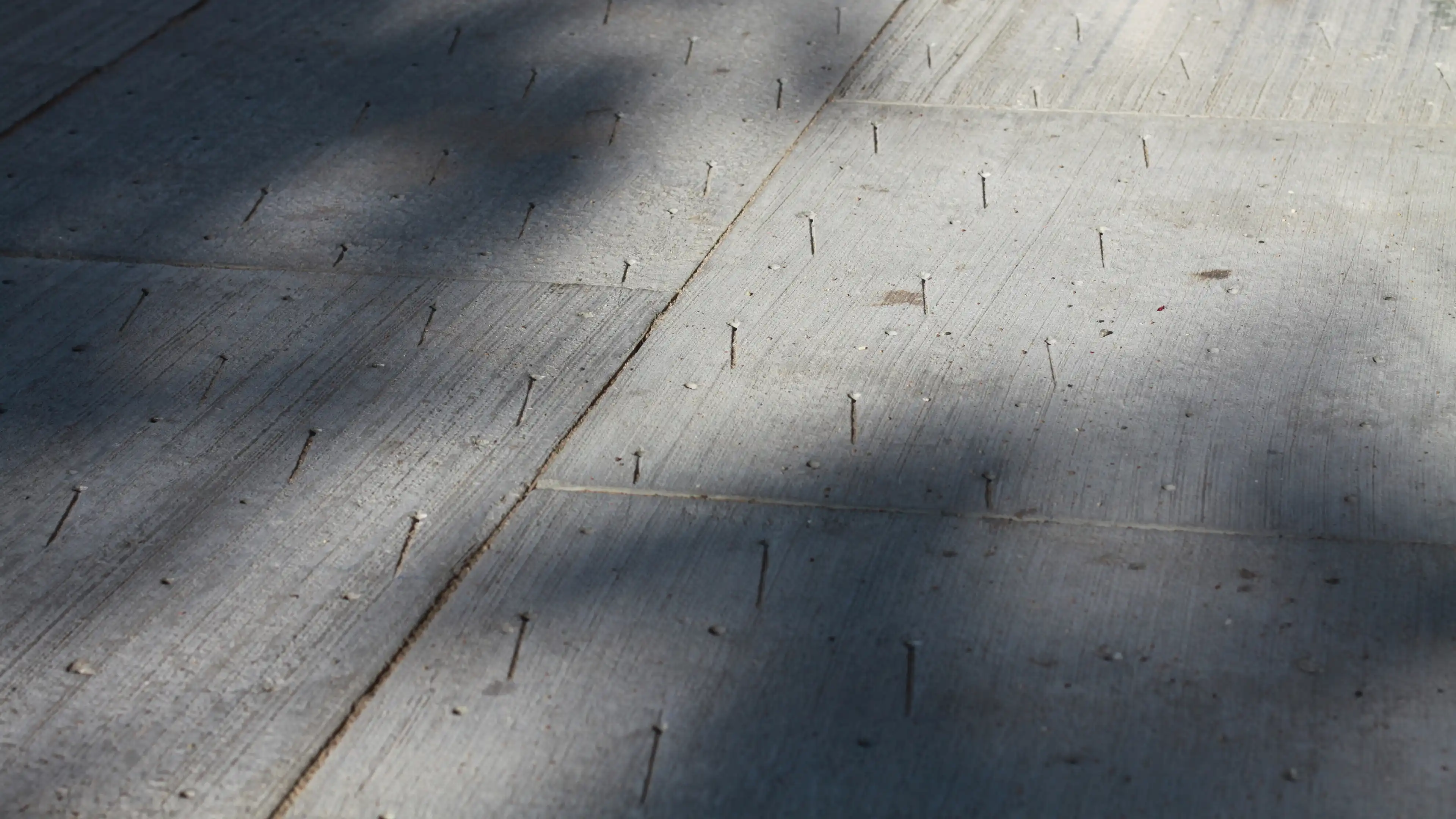
Below the surface, water can be stored, delayed, infiltrated or redirected to trees and planting. Above it, interchangeable plug-in elements can introduce vegetation, furniture, lighting, sensors and other urban functions.
The result is not simply a drainage product, but a distributed system reconnecting rainfall, soil, vegetation, infrastructure and public life.
Extreme rainfall may justify the investment, but the infrastructure exists every day.
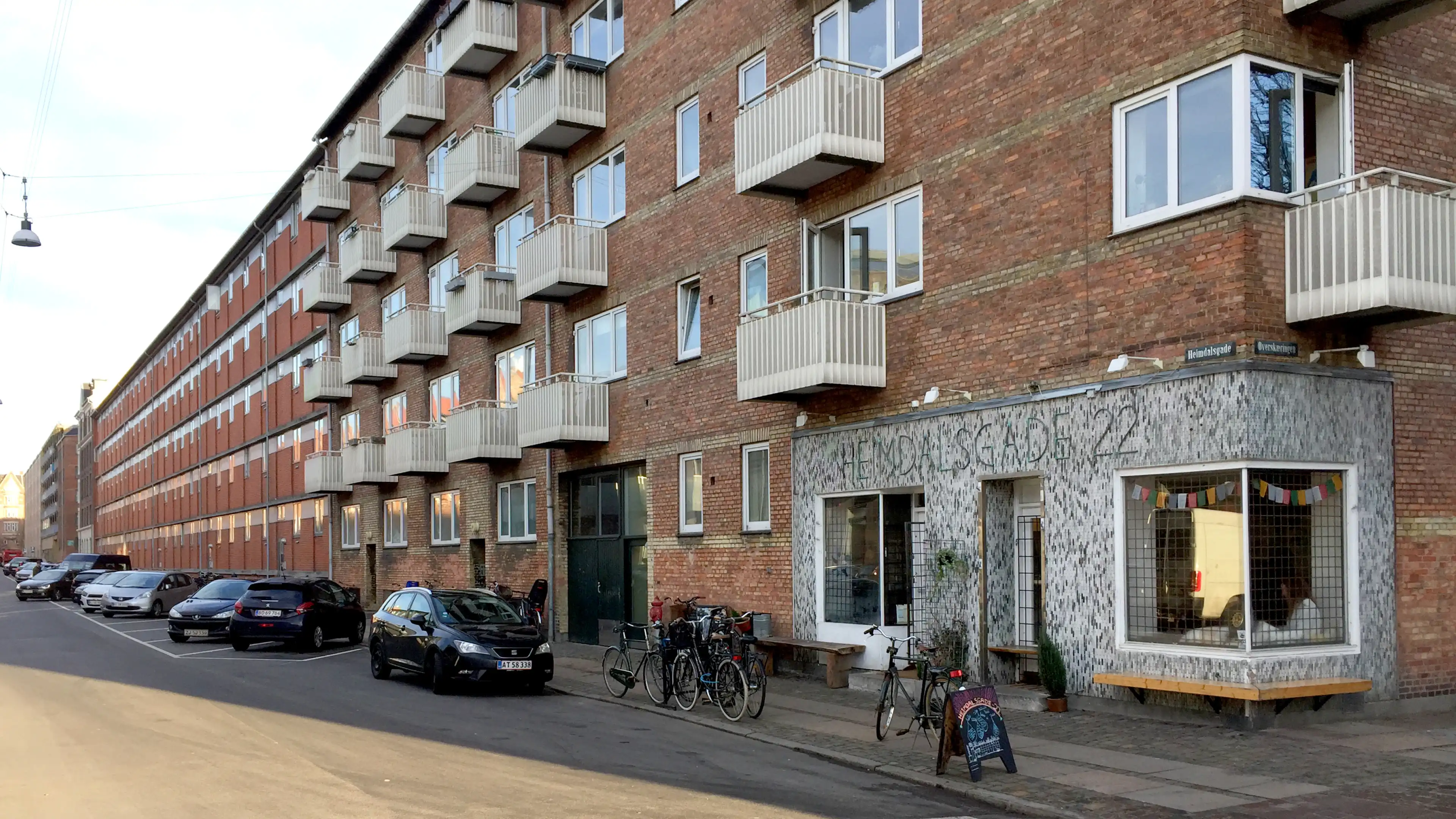
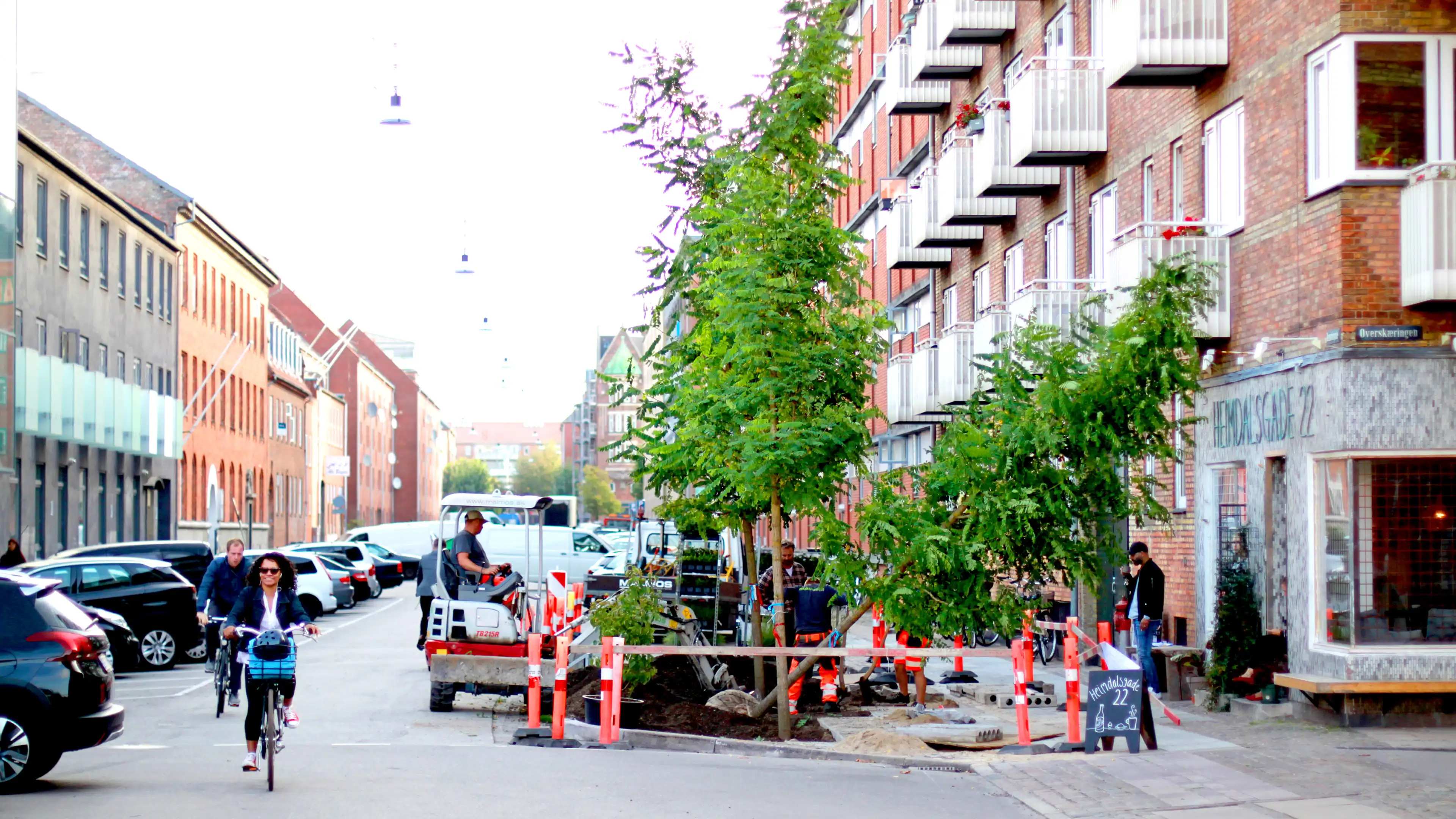
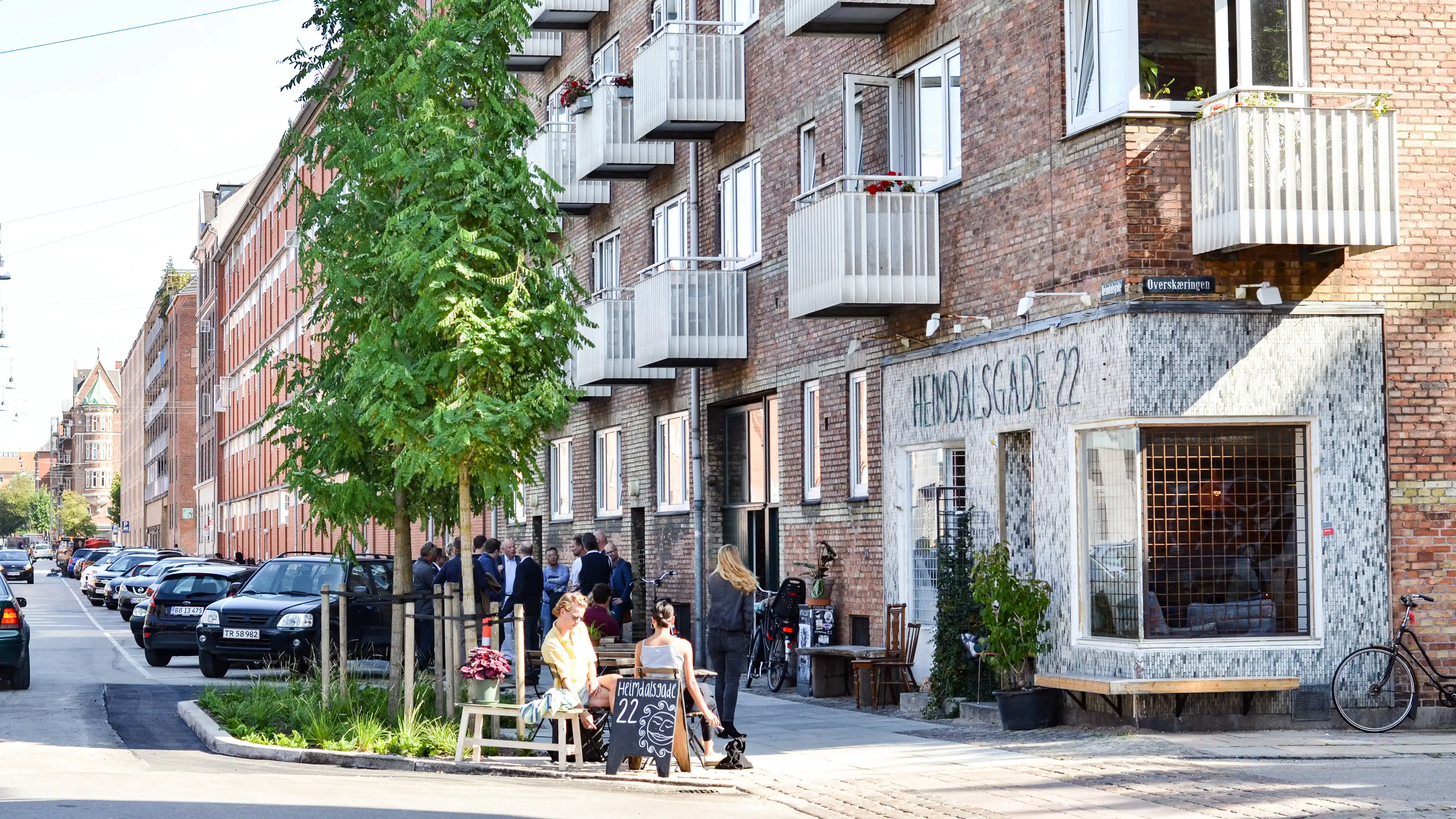
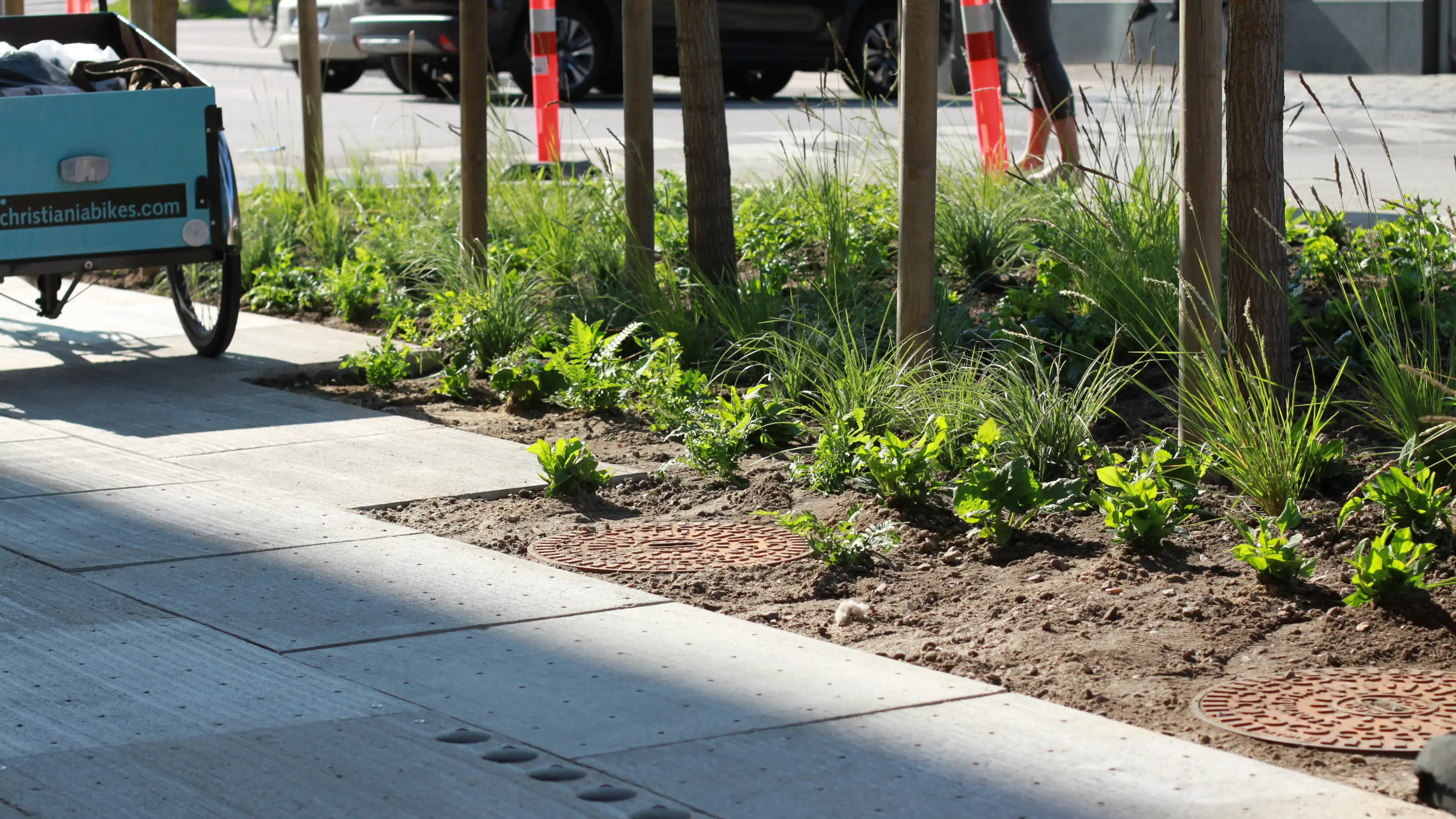
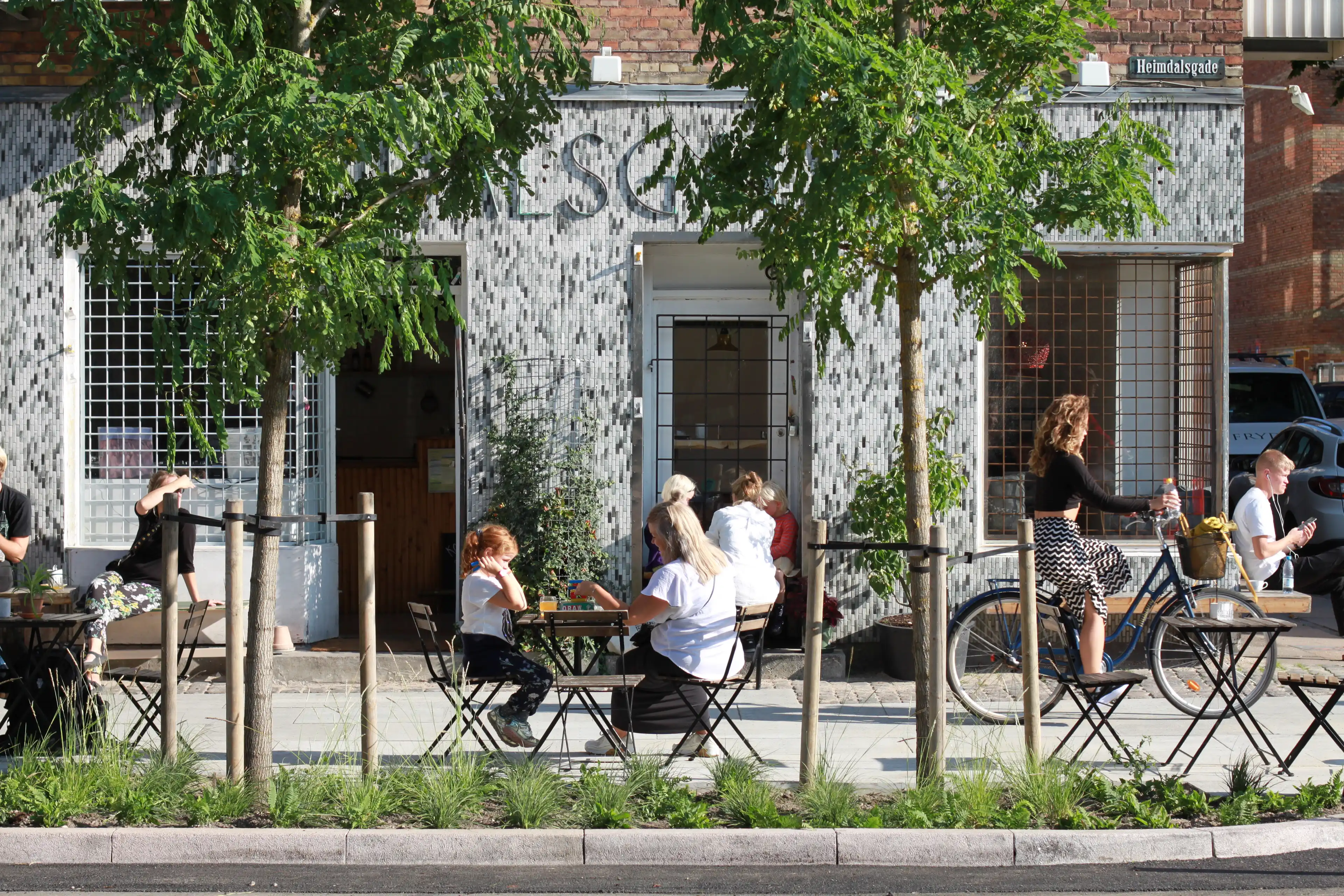
The 50-metre pilot in Copenhagen demonstrated how climate adaptation could simultaneously introduce trees, planting and places to stay within an existing street. The system performs during exceptional rainfall while creating value for the city during the remaining 99% of the time.
Climate infrastructure should not simply protect the city from the future. It should improve everyday life in the present.
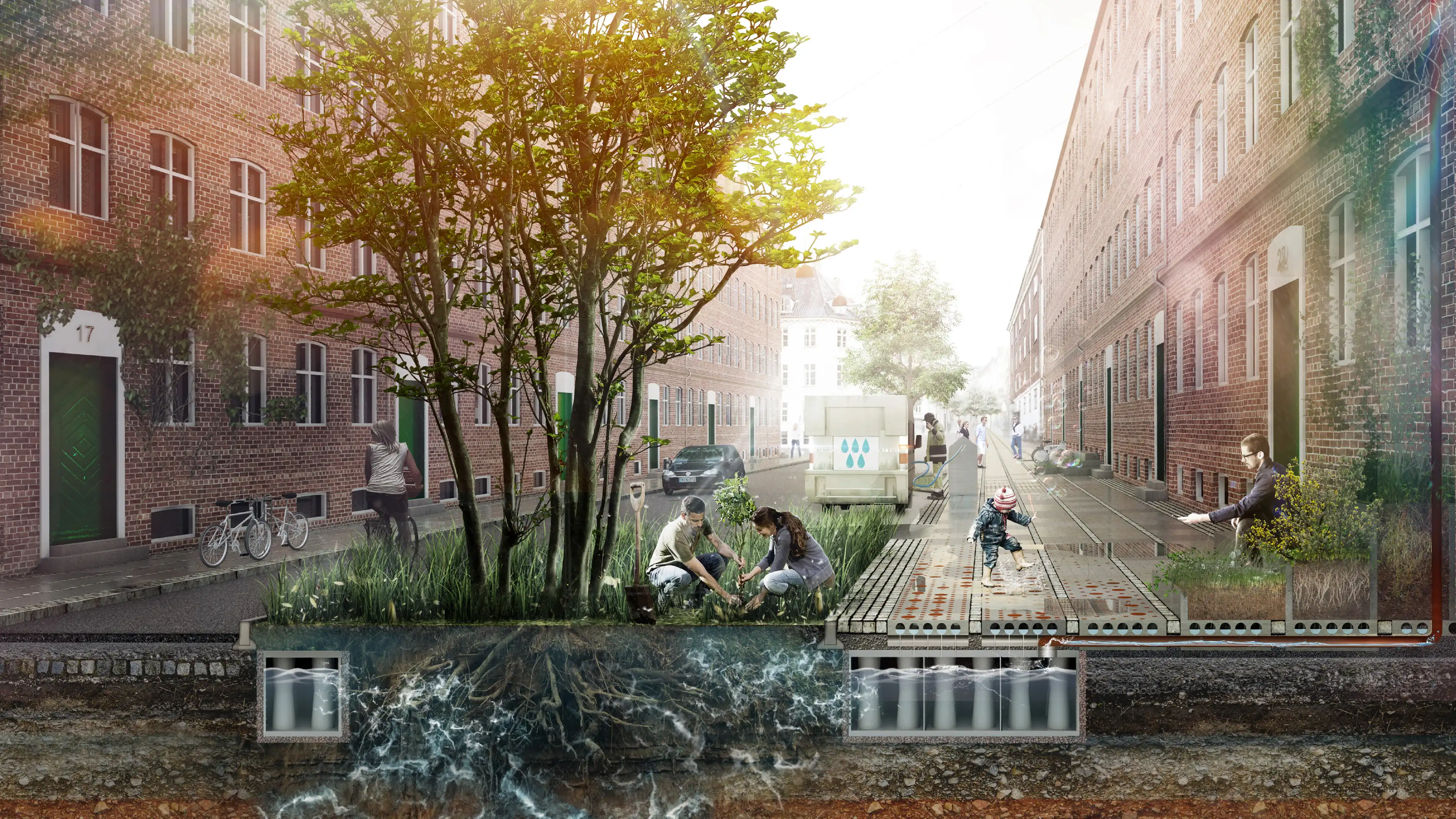
The potential lies in repetition. Copenhagen has more than 700 kilometres of sidewalk. New York City has 20,000 kilometres.
Rather than treating climate adaptation as a separate expense, the Climate Tile can be introduced incrementally as streets, sidewalks and utilities are being renewed. When coordinated with scheduled refurbishment, the integrated solution can be delivered at around one tenth of the cost of comparable stand-alone interventions.
This changes the economics of adaptation. A routine maintenance cycle becomes a vehicle for transforming thousands of kilometres of existing urban surface. The Climate Tile demonstrates a larger proposition: systemic change does not always require building more infrastructure. Sometimes it begins by asking existing infrastructure to do more.